 sinowares
  May 26,2026


Blade shape plays a pivotal role in surgical navigation through intricate anatomy. For arthroscopic interventions in sports medicine, selecting between curved and straight ENT surgery shaver blade options hinges on the specific procedure and anatomical access required. Straight blades, often zero degree angle types, provide straightforward, linear cuts, ideal for broad surface work and controlled removal
Meanwhile, curved blade configurations boasting angles of 40°, 60°, or even up to 120° enable surgeons to reach contours and recessed tissues without shifting instrument orientation extensively. This reduces patient trauma and increases precision during delicate cartilage or ligament repair. The integration of a double-tooth bite structure within both curved and straight variants further refines cutting by balancing bite efficiency with minimized resistance.
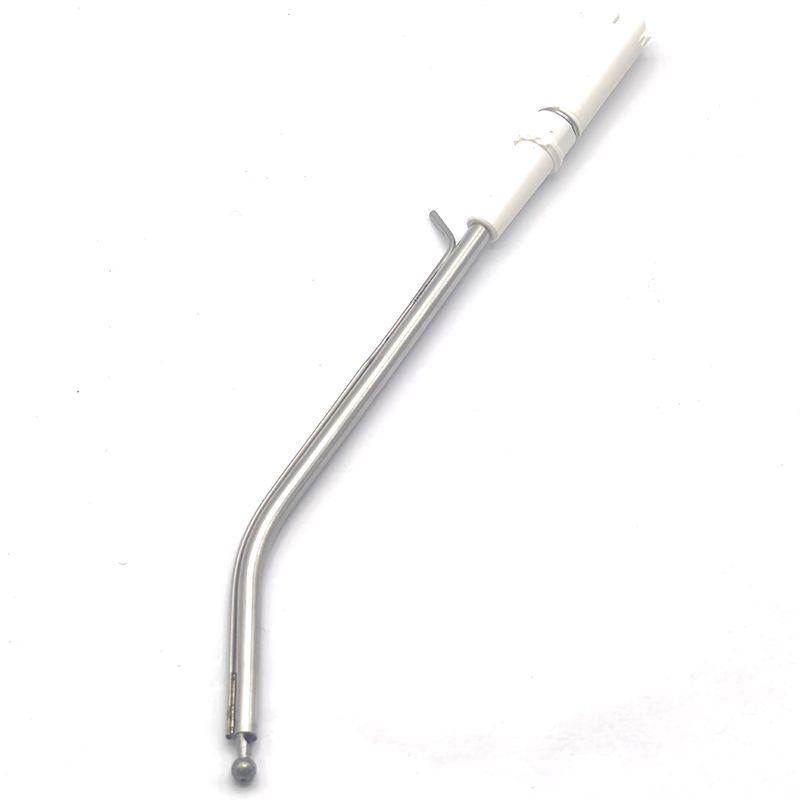
Coupled with high rotational speeds surpassing 8000 RPM, these blades maintain smooth tissue interaction, critical for precision in sports medicine. The ENT surgery shaver blade’s adaptability supports varied arthroscopic needs, promoting better outcomes through customized instrument profiles. A well-designed curved blade can facilitate access to joint corners, while straight blades excel in direct lesion excision. This thoughtful arrangement expands surgeon capability without compromising control or safety.
Add:block 6,Area 2,shahe Industrial Park,jiangshi,Gongming,shenzhen,China
Tel:13823386871 Wechat:+86 13823386871 whats app:+86 13823386871
E-mail: zhang@sinowares.com
Tel2: 86-0755-27737715
Technical support: baiila